Keeping a youngster’s psychological wellness in a bustling home might be problematic in the present high-speed climate. Youngsters can feel restless or excused as the problem of regular living continues to rise. It is hard to exaggerate the significance of assisting a young person with being genuinely cheerful; it promptly influences their general new development, social contacts, Child Emotionally and psychological wellness. Basic, careful ways of behaving may have a significant effect and help establish a solid climate where a youth feels appreciated and comprehended.
.png)
10 Simple Tips to Keep Your Child Emotionally Happy in a Busy Home
calendar_month
28 Oct 2025, 13:04
visibility
92 Views

The Power of Consistent Routines Child Emotionally
A young person’s emotional stability relies upon a regular timetable. Routines furnish children with consistency and assist them with feeling safe even in a packed house. Meal times, playtime, and bedtimes all have a decent plan that gives children design and guides them toward what to anticipate. Consistency in conventional timetables assists teens with feeling normal and chops down pressure, enabling them to really flourish.
Significant Correspondence: A Key to Profound Security
It ensures that critical correspondence is unsurprising and that it assists youth with being really merry. Teenagers ought to be heard and seen, which is achieved by legitimate discussions and cautious tuning in. Regular conversations, whether they happen before bed or during feasts, let young people convey their opinions and considerations. Principal to their flourishing, this contact assists gatekeepers and young people with building trust and keep up with near and dear unfaltering quality in the house, accordingly supporting their relationship.
The Impact of Quality Time
Another pillar of emotional satisfaction for children is quality time enjoyed with them. Indeed, even in a feverish home, scheduling times for pursuits like reading, gaming, or just conversation may have a significant influence. These normal occasions help to assemble family ties and convince kids that they start things out. Children ought to feel cherished and regarded; consequently, the quality of the time spent together ought to take the front stage instead of the amount.
Physical Activity: Boosting Emotional Well-Being
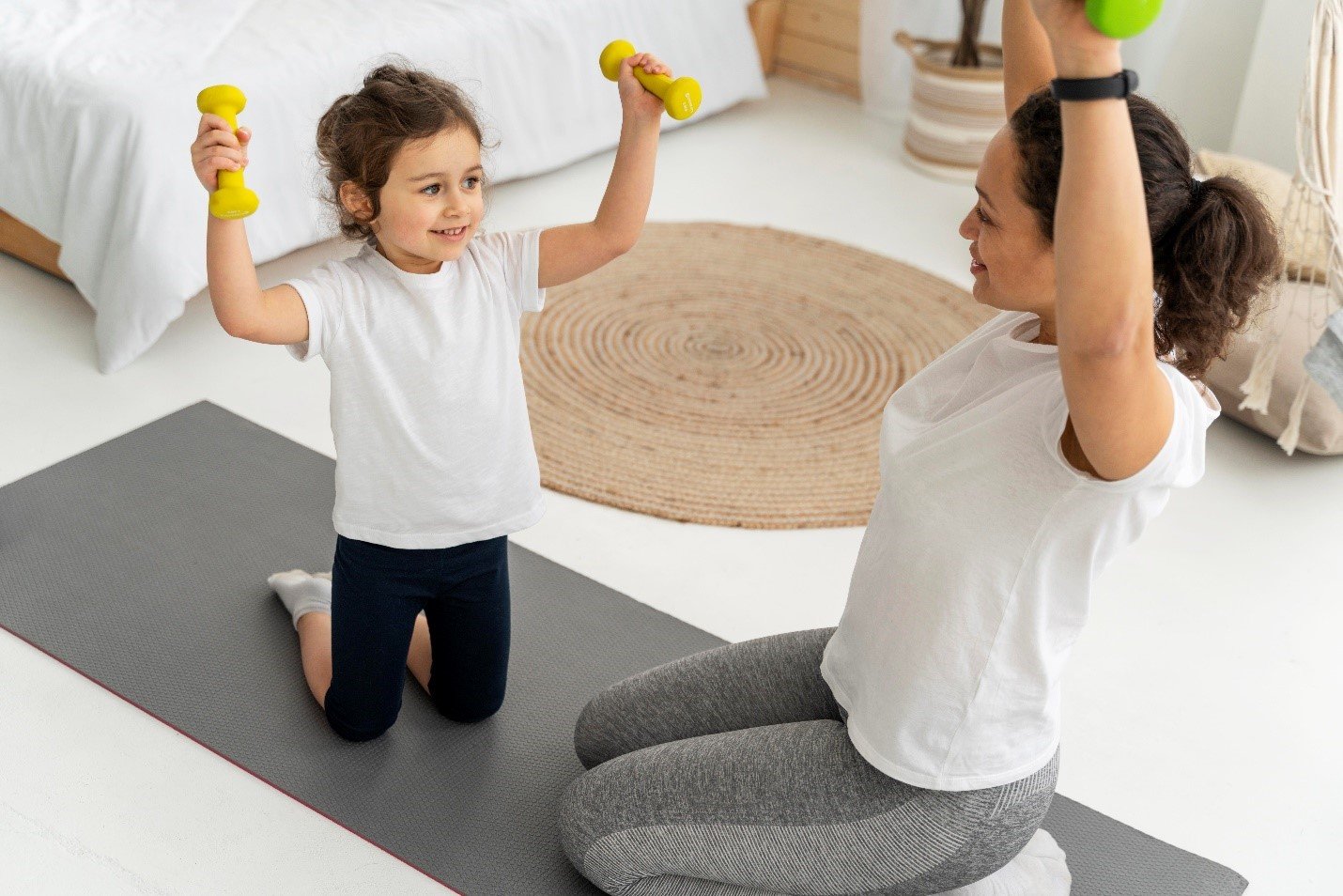
Physical activity also contributes to a youth’s emotional well-being. Regular workouts, sports, dancing, and open-air play help jokes around by releasing repressed energy and controlling their strain. Dynamic work releases endorphins, the body’s ordinary point of view partners, which are key for keeping a fair up close and personal state. It, moreover, allows teens the opportunity to develop intuitive capacities and take part in helpful exercises.
Showing Adapting Abilities for Versatility
One more imperative piece of empowering profound satisfaction is showing youngsters survival strategies. Children have to learn how to manage pressure and irritation appropriately, as life in a packed house may often be overwhelming. Powerful tools include procedures like profound breathing, mindfulness, and positive self-talk. Children who learn to use these abilities in demanding circumstances will be better able to control their feelings, which will, after some time, bring about additional resilience and emotional stability.
Creating a Peaceful Home Environment
A child’s emotional well-being relies upon the tranquility of their home. Designing calm spaces where children can stow away to read, relax, or work creatively can assist them with this. Clearing mess and commotion from these areas also helps create a peaceful environment that allows children to relax and sort out their feelings. Children, particularly in busy homes where they could require relief from the uproar, rely upon such surroundings.
Providing Emotional Support and Reassurance
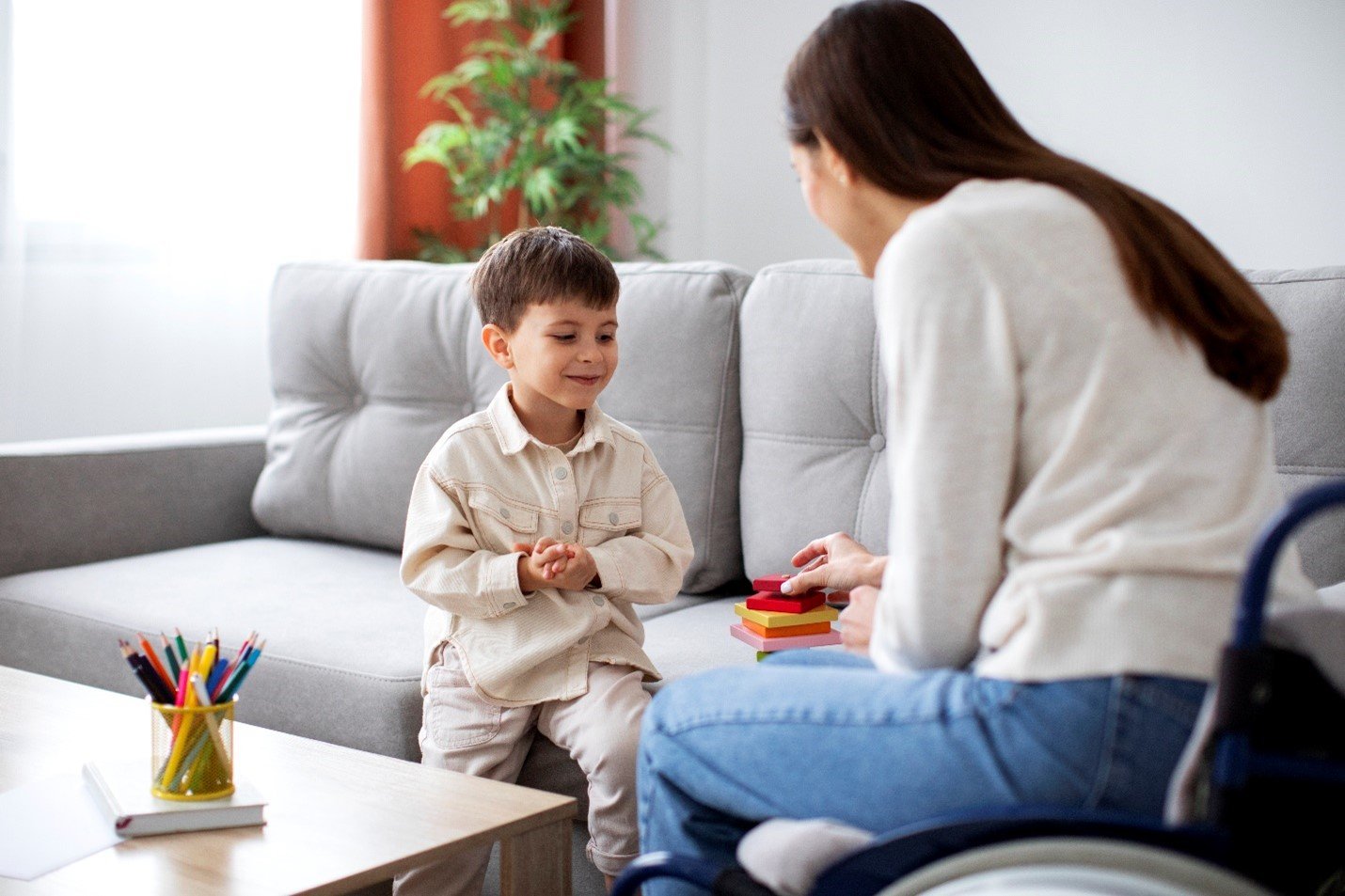
Maintaining a child’s happiness also relies heavily upon emotional support. Young people should understand that their feelings are genuine and that they have somebody to go to in troublesome circumstances. Giving children comfort and compassion at emotional lows can help them feel important and supported. Their emotional development relies upon this support structure, which also assists with creating family trust and security.
Encouraging Social Connections Outside the Home
A youngster’s close-to-home joy depends likewise upon the consolation of social contacts outside the house. Through friendships and social events, kids encourage a help system beyond their homes. Kids’ close-to-home prosperity depends upon sympathy, coordinated effort, and relational abilities, all of which they might learn through friendly cooperation with peers. These connections help with balancing the requests of a tumultuous family by offering a sensation of delight and affiliation.
The Benefits of Limiting Screen Time
Limiting screen time is also great for a child’s mental wellness. Overusing digital tools could cause anxiety and loneliness. Encouraging other activities, like reading, open-air play, or side interests, may foster children’s creativity and facilitate more meaningful relationships. Rearranging screen time with other things helps people focus on achievement and a difficult loved one.
Promoting Home Happiness
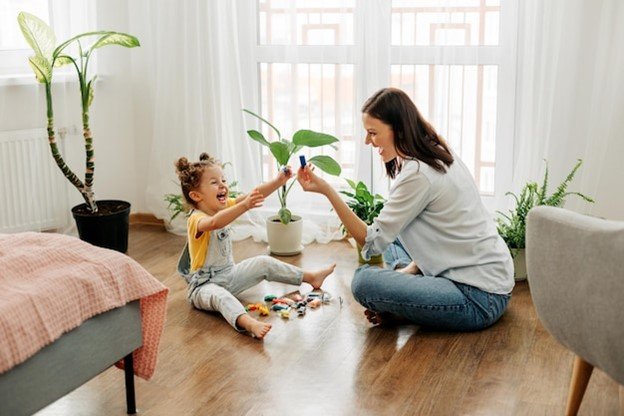
A lovely home environment is crucial to a child’s mental health. The home tone is set by allowing great communication, displaying love and care, and demonstrating genuine up-close and personal responses. Children who live in a decent environment feel safeguarded and fed, which enables them to communicate their thoughts uninhibitedly and develop to have great value for themselves. Their emotional turn of events and general happiness rely upon this basis of positivism.
Conclusion
The entire development and well-being of a young person depends upon their emotional satisfaction in a hectic home. Consistent routines, open communication, and emotional support assist with establishing a loving atmosphere even in the daily grind. These easy yet powerful methods can help a young person feel happy and safe. Healthy Child Info gives insightful analysis of the most proficient method to guarantee that children experience childhood in emotionally balanced and healthy surroundings.
Related Blogs

Toddler Health & Fitness
A Complete Nutritional Guide for Toddlers to Support Healthy Growth
The proper growth of a kid depends on early-life nutrition, and having a Nutritional Guide is essential. Particularly between one and three years old, this period of life lays the groundwork for lifetime eating patterns and health. Knowing their nutritional guide requirements becomes crucial for parents and caregivers when toddlers move from baby food to a more diversified diet. This blog provides a thorough Nutritional guide for Toddlers covering important elements of a good diet, the value of good nutrition, and useful advice to satisfy these requirements.
Read More →

Child Diseases
Ultimate Guide on How to Prevent Iron Deficiency Anemia In Babies: 7 Tips
If your child lacks hemoglobin levels in the blood or suffers from iron deficiency anemia, the physical and mental development of your baby will suffer from poor or low IQ, delayed development milestones, poor school performance, and low appetite. Apart from this, the child remains irritable all the time. Read every point of this article as this is very crucial for your babies’ health and wellness In this article, I am going to tell you seven points regarding the prevention of anemia in your baby. Let’s discuss 1st one.
Read More →
Child Nutrition
Importance of Hydration: How Much Water Should Your Child Drink?
The primary nourishment guideline for youngsters is to hydrate. Though everyone needs hydration, children are especially so given their particular physiological demands. Good hydration depends on physical health; it also enhances cognitive capacity and helps to retain energy levels. The importance of hydration cannot be overstated, as it plays a crucial role in their overall well-being.
Read More →
Toddler Nutrition
Nutritional Needs of Toddlers: What Every Parent Should Know?
Understanding toddler nutritional needs becomes very essential as parents negotiate the challenging route of parenting kids. Toddlers are at a necessary time of development and need nutritional needs to promote their emotional, cognitive, and physical well-being. Good nutrition is the basis for Healthy Child Development hence, parents should understand the significance of different nutrients in the meals of their young children.
Read More →