The primary nourishment guideline for youngsters is to hydrate. Though everyone needs hydration, children are especially so given their particular physiological demands. Good hydration depends on physical health; it also enhances cognitive capacity and helps to retain energy levels. The importance of hydration cannot be overstated, as it plays a crucial role in their overall well-being.
.png)
Importance of Hydration: How Much Water Should Your Child Drink?
calendar_month
28 Oct 2025, 12:06
visibility
91 Views
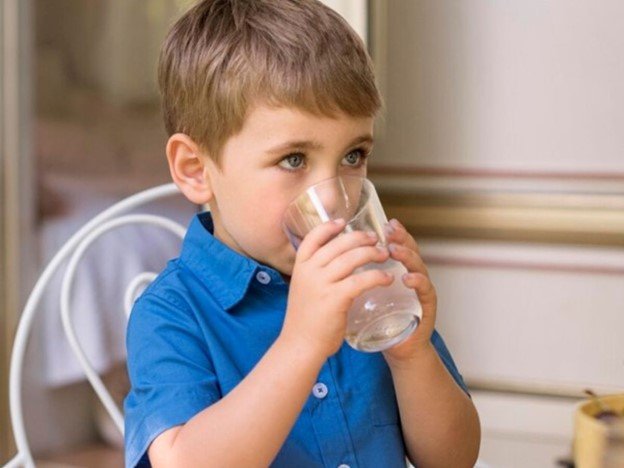
Understanding Water’s Role in Child Development
About 60% of a child’s body weight is derived from water, which is also necessary for all cellular activity. Water controls body temperature feeds cells nutrients and oxygen and facilitates digestion. Children’s overall health and well-being depend on their being usually more active than adults; consequently, following early childhood guidance is especially crucial for them to be hydrated.
How Much Water Does Your Child Need?
Age-specific needs: Young children and toddlers have differing water needs than more seasoned youngsters.
Activity level: To stay hydrated, active children, particularly in warm climates, require a higher water intake.
Health considerations: Certain diseases may increase the need for fluids.
Dietary sources: Foods high in water include milk, fruits, and vegetables.
Ensuring Proper Hydration for Every Child
Although conventional recommendations call for youngsters to drink six to eight glasses of water per day, personal requirements differ. Age, weight, environment, and degrees of physical activity significantly influence the appropriate level. Providing a customized Nutritional guide for Toddlers ensures that their parents will adequately meet their unique hydration requirements.
Spotting Dehydration Early
Early indicators of dehydration in children might include dry mouth, lower urine production, lethargy, and irritability. Identifying early indications is crucial for early childhood guidance. Encourage youngsters to identify their indicators of dehydration, which will enable them to control their hydration deliberately.
Hydration Strategies for Parents
Encouraging children to drink water can sometimes e challenging. Here are a few strategies to make hydration a habit:
- Offer water often, especially before, during, and after physical exercise.
- Children should have quick access to water all day long.
- Set an example; drink plenty of water yourself.
- Add slices of fruit to improve the taste and attraction of water.
The Impact of Hydration on Learning and Play
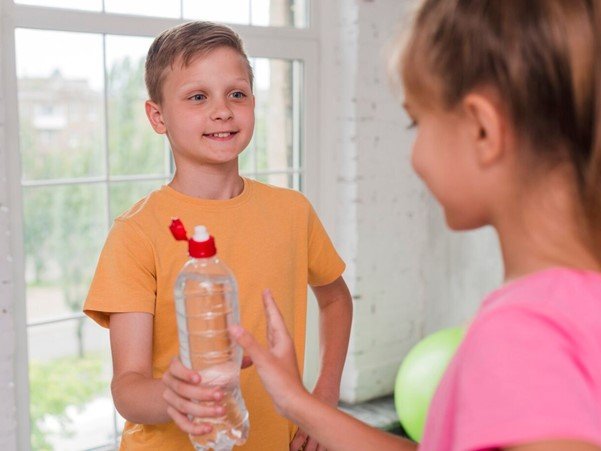
Children’s cognitive and physical capacities, as well as their general state of hydration, directly depend on this. Youngsters who drink enough water usually do better in class and have more energy to enjoy leisure time. This relates directly to more general Childhood nutrition advice, which advocates a balanced diet and enough fluid consumption.
Seasonal Considerations in Hydration
In hotter months, the need for water is even more crucial. Heat makes one more likely to sweat, which accelerates dehydration. A Nutritional Guide for Toddlers that calls for more summer fluid consumption helps guard against heat-related health problems.
Encouraging Healthy Habits
An essential component of the Nutritional Guide for Toddlers is to include water consumption in children’s daily schedules. Early development of these positive behaviors increases children’s chances of carrying them through their lives, therefore encouraging long-term health and well-being.
Conclusion
Proper hydration is crucial for your child’s health and growth. Healthy Child will provide you with the tools and encouragement you need to ensure your child’s health and hydration. Reiterating the need to form lifetime proper hydration practices and adopting a proactive attitude toward regular water consumption will significantly enhance your child’s development and general well-being.
Related Blogs

Parenthood
How to Spot and Support the Mental Health Needs of Kids Today?
Although a child’s general well-being depends mostly on mental health, it is sometimes disregarded in favour of physical health issues. Children have particular difficulties in the fast-paced and ever more complicated environment of today that could greatly affect their mental health. From social adjustments to academic demands, children encounter stresses that could cause anxiety, depression, or other mental health disorders. Mental Health Support for Kids is essential in these situations to help them manage stress and thrive in challenging environments. Providing the appropriate assistance and response as parents and caregivers depends on early identification of the indicators of mental health problems.
Read More →
Child Diseases
Ultimate Guide on How to Prevent Iron Deficiency Anemia In Babies: 7 Tips
If your child lacks hemoglobin levels in the blood or suffers from iron deficiency anemia, the physical and mental development of your baby will suffer from poor or low IQ, delayed development milestones, poor school performance, and low appetite. Apart from this, the child remains irritable all the time. Read every point of this article as this is very crucial for your babies’ health and wellness In this article, I am going to tell you seven points regarding the prevention of anemia in your baby. Let’s discuss 1st one.
Read More →

Parenthood
Your Guide to Understanding the 5 Key Areas of Child Development
From birth to youthfulness, a youngster goes through a few huge and complex formative stages for child development. Understanding these cycles can let guardians, instructors, and clinical experts help a youngster foster all the more completely. The five most significant regions of a kid’s improvement will be examined in this book alongside their implications and how they connect to make a sound, cheerful individual.
Read More →

Pregnancy Care
A Healthy Diet During Pregnancy For Good Baby Weight Gain
A healthy diet during pregnancy is crucial for good baby weight gain. As an expectant mother, you’re not just eating for one — you’re nourishing a tiny life within you. So, let’s dive into the essential nutrients your body and your baby need during this incredible phase “Giving birth should be your greatest achievement not your greatest fear.” -Jane Weideman
Read More →