Although many people consider play to be a basic hobby it is a necessary component of early life childhood development. Children’s brains are expanding at an amazing pace throughout these formative years; play helps to foster this development. Whether alone or with others, the activities kids engage in via play directly affect their cognitive, physical, social, and emotional growth. Understanding the value of play and how it develops a child’s skills helps parents guide ideal Childhood nutrition advice using meaningful and enjoyable activities.
.png)
The Importance of Play in Early Childhood Development
calendar_month
28 Oct 2025, 11:38
visibility
107 Views
Play as the Foundation for Early Childhood Development
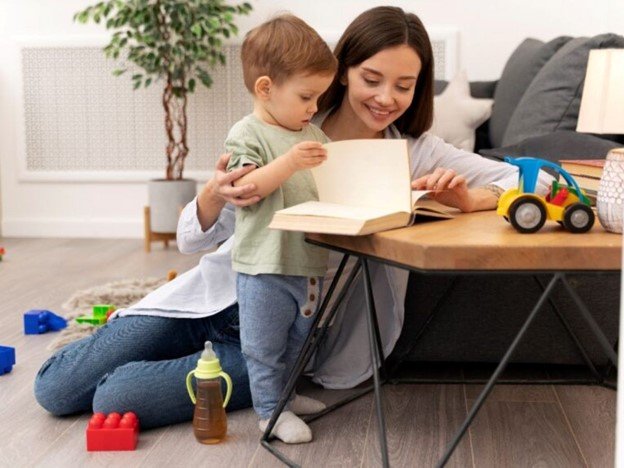
Early life is a period of fast brain development, and play is fundamental for this important period of growth. Children explore their world, pick up new ideas, and engage with their surroundings via play. Later, intellectual, emotional, and physical benchmarks are established by this early inquiry. Children participate in activities that advance problem-solving, language development, and emotional control by means of creative play. Through physical activities such as running, leaping, or climbing, play also improves motor abilities. Children must strike a mix between directed play and spontaneous discovery if they are to grow at their best.
Cognitive Development Benefits
Improved Memory: Storytelling and memory games help kids boost their recall and retention of memories.
Enhanced Problem-Solving: Games that teach youngsters to solve problems help them to develop critical thinking and a challenge-oriented approach.
Better Focus and Concentration: Focused activities such as games or puzzles help increase attention span by improving concentration and focus.
Language Development: Play that incorporates interaction helps kids expand their language and communication abilities.
Social and Emotional Skills: Play as a Tool for Emotional Intelligence
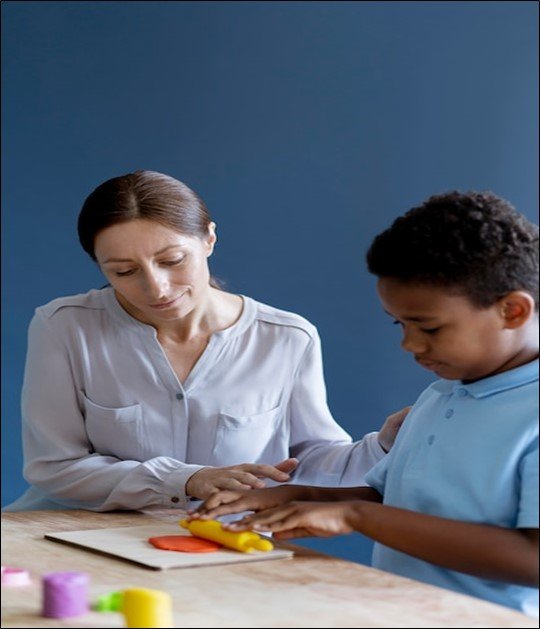
Apart from cognitive development, play is crucial for developing social and emotional abilities. Children learn how to connect with others in good ways, that is, sharing, collaborating, and social rule understanding, when they participate in group activities or play. Whether kids are playing team games or role-playing with friends, play lets them communicate their feelings in a secure, controlled atmosphere. Children who negotiate these encounters grow in empathy, patience, and emotional regulation, that is, in control of irritation or enthusiasm. Early childhood Guidance states that these events are essential for children to have strong emotional intelligence, which helps emotional control and good relationships.
Physical Development and the Role of Active Play
The diet of a kid affects their physical condition as well; it enhances the advantages of vigorous play. Childhood nutrition advice stresses a balanced diet high in vitamins, minerals, and healthy fats, which improve brain function, energy levels, and physical endurance. By including good eating habits and plenty of chances for physical play, children can develop strong, healthy bodies that will sustain them as they grow.
Conclusion
Early life development depends on play as it promotes cognitive, emotional, physical, and social development. It teaches kids resiliency, vital skills, and how to see their environment. Parents and other caregivers may help their child’s general growth by including a mix of planned and unstructured play in everyday activities. Understanding the significance of this developmental period, Healthy Child offers direction to make sure kids have the greatest possible beginning in life. Children’s future prosperity rests on play, the building block.
Related Blogs
Parenting
How to Balance Your Child’s Diet: A Complete Guide for Parents
One of the most important actions parents can do for their baby’s health and development is to make sure they get the proper diet. Early years of life are necessary for childhood nutrition as it instantly influences the immune system, development, energy levels, and brain growth. Especially with the abundance of food choices available, smashing the proper balance may be challenging. But with the correct child’s diet and data, you may make wise choices advancing the baby healthy and development.
Read More →

Motherhood
10 Essential Tips and Benefits of Breastfeeding While Lying Down. A Full Guide: Is Breastfeeding Safe and Useful While Lying Down?
Read More →

Motherhood
Breastfeeding Made Easy: Top Techniques Every New Mom Should Know
Read More →
Toddler Nutrition
Promoting Toddler Development: Key Milestones and Growth Strategies
The early years of a child’s life are vital for toddler development. Toddlers grow quickly in both physical and mental aspects during this period. Parents and other caregivers must first understand the important benchmarks and the dietary requirements linked with this stage. This blog will investigate successful approaches to promoting toddler development.
Read More →