One of the most important actions parents can do for their baby’s health and development is to make sure they get the proper diet. Early years of life are necessary for childhood nutrition as it instantly influences the immune system, development, energy levels, and brain growth. Especially with the abundance of food choices available, smashing the proper balance may be challenging. But with the correct child’s diet and data, you may make wise choices advancing the baby healthy and development.
.png)
How to Balance Your Child’s Diet: A Complete Guide for Parents
calendar_month
28 Oct 2025, 11:34
visibility
97 Views
The Importance of a Balanced Diet for Children’s Health and Development
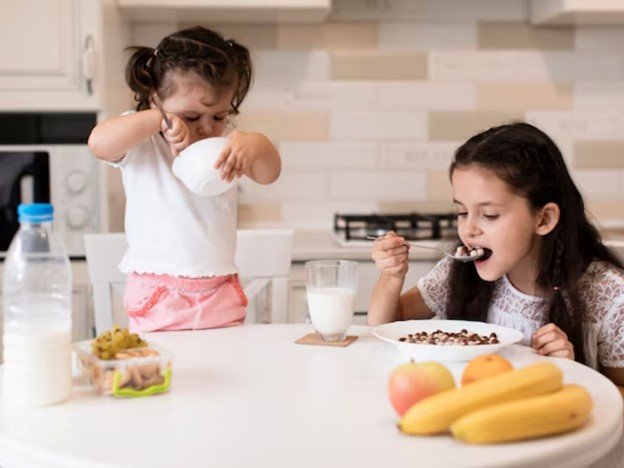
Good fitness and well-being for your child throughout their early years rely on a balanced diet. The basis for a child’s future eating patterns and general development is much shaped by early Childhood nutrition advice. The body is fast developing throughout these years. Hence, a balanced diet guarantees that kids get the necessary nutrients to support this growth. A good diet supports not just development but also immune system strength, weight maintenance, and lower risk of chronic illnesses later in life.
How to Create a Healthy Meal Plan for Your Child
Proteins: Meals high in proteins, such as eggs, lean meats, beans, and tofu, help muscle growth and repair, particularly for youngsters who are often on the go.
Carbohydrates: Whole grains, including oats, brown rice, and whole-wheat bread, provide daily energy for brain activity and everyday operations.
Healthy fats: Brain growth and skin health depend on healthy fats, such as avocado, almonds, and olive oil.
Fruits and Vegetables: Loaded with vital vitamins and minerals, veggies like spinach and carrots, as well as fruits like apples and berries, assist the immune system and general health.
Baby Healthy and Development: The Role of Early Nutrition
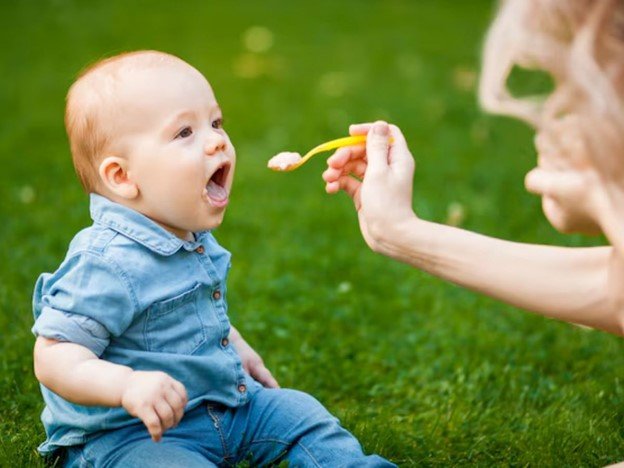
Early on in life, a baby healthy and development growth depends primarily on nutrition. Babies undergo fast cognitive development and physical growth in the first year of life. Given that breast milk or formula provides the necessary nutrients for development, their diet should center on them. You may start introducing a greater range of meals as your baby develops and starts eating solid foods at six months of age. Start with meals high in iron, including fruits, cereals, and pureed veggies. As your baby grows, you may gradually introduce soft finger foods and include more sophisticated tastes and textures into their diet. This is a critical period as it shapes good dietary habits that could endure throughout childhood and beyond.
Conclusion
For your kid to grow, flourish, and be generally healthy, their food must be balanced. Emphasizing a range of nutrient-dense meals and encouraging good eating habits can help you to make sure your kid has the tools they need for a robust and healthy future. Regular attention to Childhood nutrition advice will provide the basis for lifetime health. Healthy child is aware of the need of giving parents dependable and useful guidance to enable them to make wise choices about the nutrition of their kid thus assuring their growth throughout these critical years of development.
Related Blogs
Toddler Nutrition
How to Create Balanced Meals for Toddlers That They’ll Actually Love?
Many parents struggle with creating balanced meals for their young children. Toddlers’ irregular feeding patterns and discriminating tastes make it challenging to make sure they get all the required nutrients. Nevertheless, establishing good eating habits early on is vital for their development. Toddlers need the vitamins, minerals, and energy-balanced diets provide to flourish. This blog takes a look at basic methods to make food interesting to your little child’s taste receptors and meet their dietary requirements.
Read More →

Parenting
Why do Kids Lie? 5 Tips to Stop Children From Telling Lies?
Why do kids lie and how to stop children from telling lies? This is a very common question that we encounter in our pediatric clinic. Watching our newborn or infant slowly grow up, is a very happy and satisfying feeling but some of their habits sometimes hurt us, and we feel bad. One of these habits is the child’s lying tendency. We start blaming ourselves for these and having doubts about our parenting style as we are not like this, why our kids have these bad habits. Today I will tell you why children lie, how it starts, and how it grows, apart from this I will tell you efficient tips to stop your kids from telling lies.
Read More →
Toddler Nutrition
Best Top 10 Nutritious Weight-Gaining Food for Kids
Top 10 best weight-gaining foods for kids to increase their weight and health. These are easily available in kitchen, tasty, and under budget.
Read More →
Parenting
Guide to Healthy Sleep Habits for Infants and Toddlers
Your newborn or toddler’s general health and well-being depend on their getting adequate sleep. From creating a secure sleeping environment to a relaxing evening ritual, several elements help to promote good sleeping practices. The abundance of advice accessible may overwhelm you as new parents or caregivers. Still, your child’s sleep quality may be much improved by understanding where to start and how to approach sleep training. This blog offers sensible Infants and Toddlers care tips to support your child’s improved sleep.
Read More →