Early in life, empowering both great eating patterns and solid improvement depends on balancing flavour with nutrition in little child meals for food guide. Suitable nourishment advances immunological well-being, mental development, and physical development. Hence, the toddler years are a critical period for laying a basis for appropriate eating habits. However, every individual who has at any point taken care of a baby figures out that, no matter what its dietary benefit, a little child will not eat anything that preferences terrible. This blog offers practical tips to let guardians and other carers track down the appropriate balance.
.png)
The Daily Food Guide for Toddlers: How to Balance Nutrition and Taste
calendar_month
28 Oct 2025, 12:50
visibility
106 Views
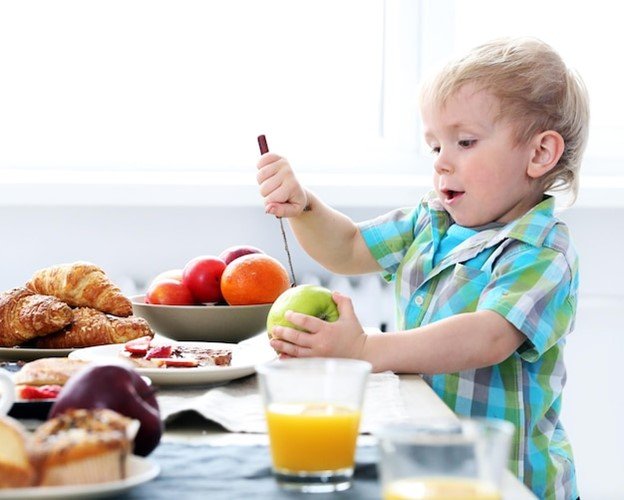
Why is Taste Equally Important as Nutrition?
Although a developing body is built from nourishment, youngsters become thrilled about eating because of flavour. Toddlers are at a time when they start to show signs of independence, including choosing what they eat. Making meals that are pleasant and nutritious helps to promote a good attitude towards a range of foods, therefore reducing pickiness and dinner fights.
Essential Nutrients for Toddlers Food Guide
Toddlers’ nutritional necessities incorporate macronutrients and micronutrients to help their quick development. The primary components they should integrate into their regular eating routine are:
Proteins
Proteins are fundamental to muscle improvement and general development.
Carbohydrates
Carbohydrates are needed for energy; whole grains especially contain important B vitamins.
Fats
Essential for brain development, with an eye towards good sources, including avocados and almonds.
Vitamins and Minerals
Many fruits and vegetables may satisfy demands for minerals like iron and calcium, as well as vitamins A, C, and D.
Simple and Healthy Toddler Meal Ideas
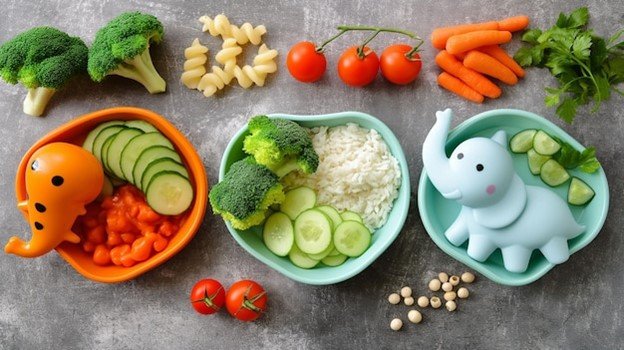
Meal preparation for a toddler requires simplicity most of all. Breakfast could consist of cereal topped with banana slices and cinnamon, therefore offering a delicious flavour free of additional sugar. A small turkey and cheese sandwich on whole grain bread, sliced into reasonable portions, with cucumber slices, makes a healthy lunch. Dinner may include steamed broccoli, grilled chicken pieces, and sweet potato wedges, all minimally seasoned to accentuate their inherent tastes.
What Should You Do When Your Child Rejects Food?
Handling food rejections calmly is crucial. Toddlers often resist unfamiliar foods, but the key is repeated exposure without pressure. Introducing new foods alongside familiar favorites can help. Encourage tasting rather than forcing them to eat, as it may take several attempts before a child accepts a new food. Patience and consistency are important, as toddlers often need multiple exposures to become comfortable with different flavors and textures.
How Important Are Snacks for a Toddler’s Diet?
Snacks are an opportunity to add nutrition, not just fill time between meals. They should be treated as mini-meals that contribute to daily nutrient intake. Healthy options like yogurt, whole grain crackers, vegetable sticks, and small fruit pieces offer valuable nutrients and energy without reducing appetite for main meals. These choices help maintain balanced nutrition throughout the day.
Teaching Young Children to Eat Healthily
Education on good eating begins with daily encounters. As you cook and present food, talk with your child about the colours, textures, and flavours. This kind of involvement fosters lifelong knowledge of good eating. Books and instructional games on food may also help with this entertaining, interesting learning.
Conclusion
Striking the right balance between taste and nutrition in your toddler’s meals is key to establishing lifelong healthy eating habits. At Healthy Child, we prioritize both your child’s development and enjoyment at mealtime. By incorporating a variety of fun, nutrient-rich foods, you can help your child grow up strong while fostering a positive, lasting relationship with food. Our tips ensure that healthy eating becomes both satisfying and beneficial for your little one.
Related Blogs

Toddler Nutrition
How to Create Balanced Meals for Toddlers That They’ll Actually Love?
Many parents struggle with creating balanced meals for their young children. Toddlers’ irregular feeding patterns and discriminating tastes make it challenging to make sure they get all the required nutrients. Nevertheless, establishing good eating habits early on is vital for their development. Toddlers need the vitamins, minerals, and energy-balanced diets provide to flourish. This blog takes a look at basic methods to make food interesting to your little child’s taste receptors and meet their dietary requirements.
Read More →

Child Fever
4 Reasons For Hot Head In Healthy Baby
“Children are not things to be moulded, but are people to be unfolded.” – Jess Lair
Read More →
Child Nutrition
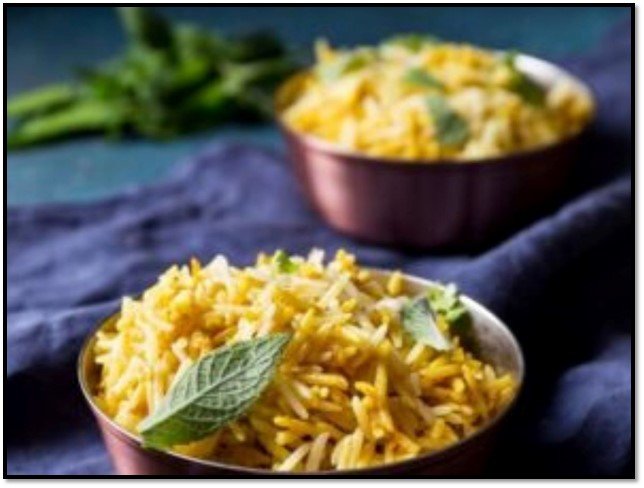
Wholesome Steamed Poha and Sooji Bites for Kids
When it comes to childhood nutrition guidance, parents struggle to find satisfying, appealing meals for their kids. Finding a mix that meets a child’s nutritional needs and promotes development is crucial. In this blog, we discuss the importance of integrating iron-rich dishes such as steaming poha and sooji bits into your child’s diet to enhance their health and developmental milestones.
Read More →
Motherhood
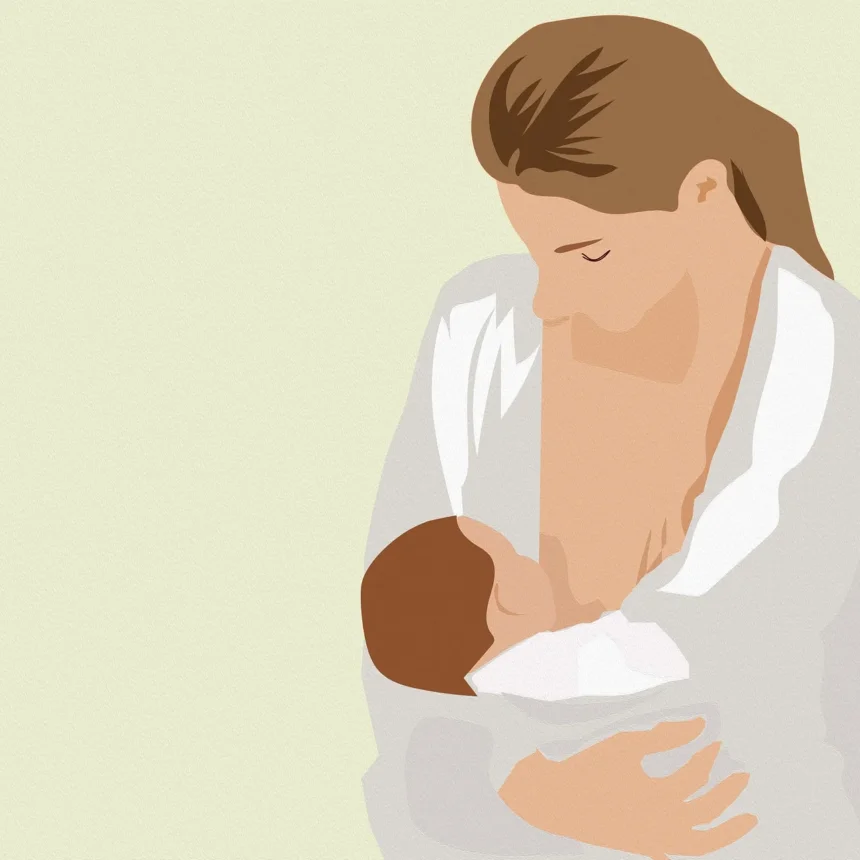
Cluster Feeding: 4 Powerful Tips to Overcome Exhaustion for Breastfeeding Moms
Cluster feeding is an important topic for all breastfeeding mothers. If you’re one, you may have experienced moments when your baby seems to demand milk more frequently than usual—sometimes every 20 to 30 minutes or even as often as every 15 minutes. At times, your baby might latch on and not want to let go. This behavior is known as cluster feeding, and it can be both exhausting and worrying. Let’s dive deeper into what cluster feeding is, why it happens, and how you can manage it effectively.
Read More →